Pakistan Govt Prepares Winter Gas Management Plan Amid Rising Demand
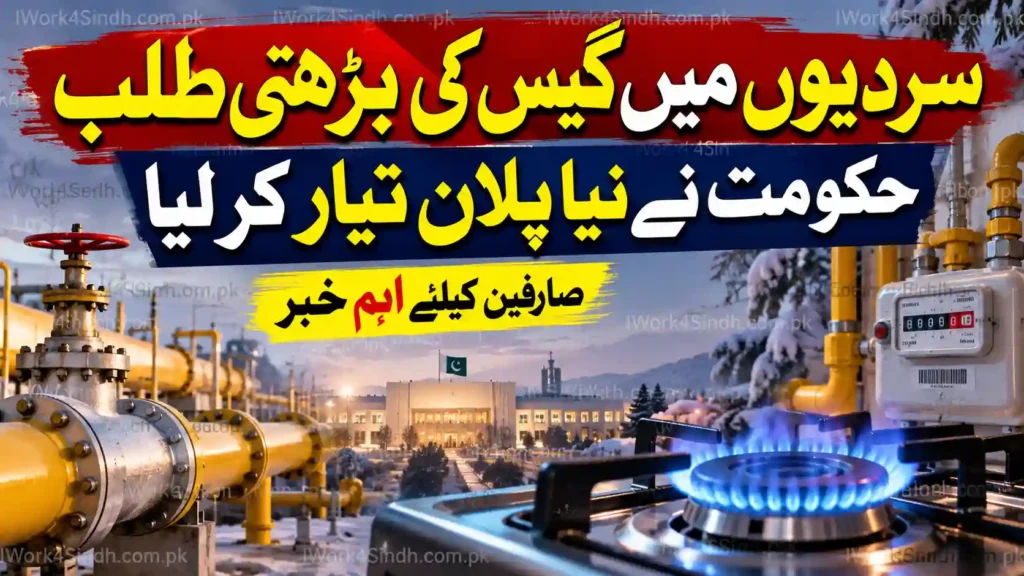
The government has announced a new Winter Gas Management Strategy 2026 to prepare the country for higher gas demand during the winter season. The strategy focuses on managing available gas resources, improving distribution and ensuring that domestic consumers receive gas for their basic household needs.
Winter is one of the most challenging periods for Pakistan’s energy system because gas demand increases as temperatures fall. People use more gas for cooking, water heating and other household activities. At the same time, commercial and industrial users also require a continuous energy supply.
The new winter gas management plan is expected to help authorities maintain a balance between gas supply and demand. It also aims to encourage consumers to use gas responsibly and avoid unnecessary consumption.
What Is the Winter Gas Management Strategy 2026?
The Winter Gas Management Strategy 2026 is a government approach designed to manage the country’s gas resources during the colder months. The strategy is important because the demand for natural gas normally rises significantly during winter.
Under the plan, authorities are expected to monitor gas consumption, supply levels and pressure across different areas. This information can help gas distribution companies manage supplies according to demand.
The strategy also focuses on better coordination between government departments, gas companies, industries and domestic consumers.
The main objective is to ensure that available gas is used efficiently and that essential household requirements receive priority.
Why Gas Demand Rises in Winter
During winter, households consume more gas than they normally do. Cooking requirements increase, while geysers and heating appliances can significantly raise daily consumption.
Morning and evening are usually important periods for peak gas demand because many households use gas at the same time. This can put additional pressure on the distribution network.
In areas where temperatures fall significantly, households may use gas for longer periods. As a result, the overall winter gas consumption can increase.
The government therefore needs a proper plan to manage this seasonal increase and prevent unnecessary pressure on the gas system.
Domestic Consumers to Remain a Major Priority
One of the key concerns for families is the availability of gas for household needs. The government is expected to focus on ensuring domestic gas supply during the winter season.
Millions of households depend on natural gas for cooking and water heating. Any major disruption can create difficulties for families, particularly during cold weather.
The gas management strategy aims to improve the distribution of available supplies and reduce unnecessary interruptions.
Consumers can also support the plan by using gas carefully and avoiding waste. Turning off appliances when they are not required can help reduce overall consumption.
Focus on Peak Hours
Managing peak gas hours is another important part of winter energy planning.
Gas consumption can rise sharply during breakfast and dinner times. The use of geysers and other appliances can further increase demand.
If too many consumers use gas simultaneously, pressure in the distribution network can fall. This may result in low-pressure complaints in some areas.
Better monitoring of peak gas demand can help distribution companies identify pressure problems and manage supplies more efficiently.
Consumers can also reduce pressure on the system by avoiding unnecessary gas use during high-demand periods.
Role of Gas Distribution Companies
Gas distribution companies will have an important role in implementing the Winter Gas Management Plan.
These companies are responsible for maintaining distribution networks, monitoring gas pressure and responding to consumer complaints.
Regular inspection of pipelines and distribution systems can help identify technical problems before they become major issues.
Gas companies may also need to improve communication with consumers. Clear information about supply conditions and complaint procedures can help people deal with temporary problems.
Effective monitoring and quick response will be important for maintaining a reliable gas supply in Pakistan during winter.
Government Encourages Gas Conservation
Another major focus of the strategy is expected to be gas conservation.
Consumers can reduce gas consumption by using efficient cooking methods and avoiding unnecessary use of geysers and heaters.
For example, households can switch off gas appliances immediately after use. Geysers should not remain operational for long periods when hot water is not required.
Regular maintenance of gas appliances can also improve efficiency. Faulty or poorly maintained appliances may consume more gas and increase household expenses.
The government may therefore encourage the public to adopt energy-saving practices throughout the winter.
Impact on Industrial Consumers
The new strategy will also be important for industrial consumers. Many industries depend on natural gas for manufacturing and production activities.
Industries require a stable energy supply to continue their operations. However, winter increases in household demand can put pressure on the overall gas system.
Authorities will therefore need to balance the requirements of domestic consumers, industries and commercial users.
Better forecasting can help government departments estimate demand and plan gas distribution accordingly.
A balanced approach can help reduce disruptions while supporting economic activity.
Gas Supply and Demand Management
The difference between available supply and total demand remains an important issue during winter. When gas demand exceeds supply, pressure on the distribution system can increase.
The government can manage this situation through better forecasting, conservation campaigns and efficient distribution.
Authorities may monitor daily consumption patterns and adjust supply arrangements according to changing conditions.
The success of the gas supply management strategy will depend on several factors, including available gas resources, weather conditions, consumer demand and distribution capacity.
What Consumers Should Do
Consumers can play an important role in making the winter gas strategy successful.
Households should avoid wasting gas and should only use appliances when necessary. Gas burners should not be left running without a purpose.
People should also check their appliances regularly. If a household notices an unusual gas smell, leak or serious pressure problem, it should immediately contact the relevant gas company.
Consumers should never attempt dangerous gas repairs themselves. Qualified technicians should handle technical problems.
Responsible consumption can help families reduce their energy bills and support the country’s overall gas conservation efforts.
Concerns About Winter Gas Shortages
Many consumers remain concerned about possible winter gas shortages and low pressure during the cold season.
Low pressure can create problems for households that depend on gas for cooking and water heating. The situation can become more difficult during extremely cold weather when demand rises quickly.
The new strategy is expected to help authorities prepare for these challenges in advance.
However, the effectiveness of the plan will depend on actual gas availability and how well the distribution network performs during periods of high demand.
Continuous monitoring will therefore be necessary throughout the winter.
Benefits of the New Gas Management Plan
The New Winter Gas Management Strategy 2026 can provide several benefits if implemented effectively.
One major benefit is better preparation for seasonal demand. Instead of responding to shortages after they occur, authorities can use demand forecasts to prepare the system in advance.
Another benefit is improved gas distribution. Monitoring pressure and consumption patterns can help companies identify areas that require additional attention.
The strategy can also encourage consumers to reduce unnecessary consumption. This may help lower pressure on the national gas network.
Better coordination between authorities and gas companies can further improve the management of available resources.
Importance of Public Cooperation
Government planning alone cannot solve every energy challenge. Public cooperation is also necessary for successful winter gas management.
If households use gas responsibly, unnecessary pressure on the system can be reduced. Small changes in daily habits can make a difference when millions of consumers are involved.
Consumers should avoid wasting gas, maintain their appliances and follow official safety instructions.
Public awareness campaigns can also help people understand why gas conservation becomes especially important during winter.
Expected Outlook for Winter 2026
The Winter Gas Management Strategy 2026 is expected to remain an important part of the government’s energy planning during the cold season.
The government will need to closely monitor gas demand and supply conditions as winter progresses. Weather changes can have a direct impact on consumption, making flexible management necessary.
If the strategy is implemented effectively, it could help improve supply management and reduce unnecessary pressure on the gas distribution system.
However, consumers should still prepare for possible fluctuations in gas pressure during periods of very high demand.
Gas Demand Management Conclusion
The government’s New Winter Gas Management Strategy 2026 aims to address the expected rise in gas consumption during the winter season. Higher demand from households, industries and commercial users makes effective planning essential.
The strategy focuses on gas supply management, peak-hour monitoring, gas conservation, improved distribution and better coordination among relevant authorities.
For domestic consumers, responsible gas usage will remain particularly important. Avoiding unnecessary consumption, maintaining appliances and reporting technical problems can help support a more stable supply.
The success of the winter gas management strategy will depend on available resources, weather conditions, demand levels and the performance of the gas distribution network. With proper planning and public cooperation, the government can work toward maintaining a more reliable gas supply during winter 2026.