LESCO Faces Overbilling Allegations Over Smart Meter Electricity Bills
Consumers in Lahore are raising concerns about high electricity bills and alleged overbilling linked to smart meters installed by the Lahore Electric Supply Company (LESCO). Several consumers have expressed dissatisfaction with their electricity bills, claiming that their monthly charges have increased despite efforts to control their electricity consumption.
The issue has raised questions about smart meter electricity billing, meter accuracy, electricity consumption records, and the transparency of the billing system. Consumers want LESCO to investigate their complaints and explain why their bills have increased.
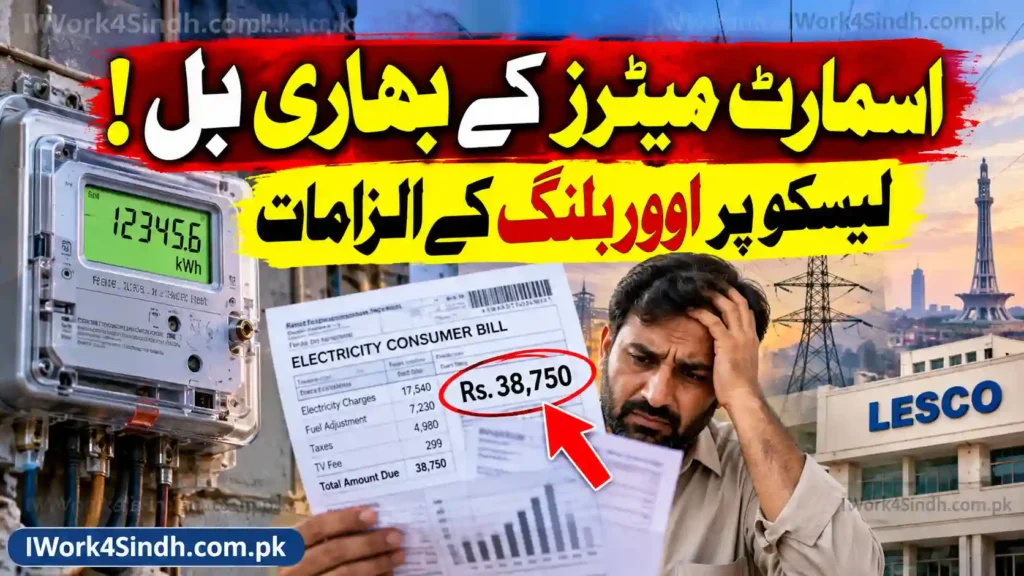
Smart meters are designed to improve electricity monitoring and provide more accurate readings. However, concerns about unexpectedly high bills can create confusion among consumers, especially when they cannot easily understand the difference between their current and previous electricity charges.
It is important to note that allegations of overbilling do not automatically prove that smart meters are faulty or that electricity charges have been calculated incorrectly. Each complaint requires proper investigation, including a review of meter readings, billing records, applicable tariffs, and other charges.
What Are the Overbilling Allegations Against LESCO?
The main concern is that some electricity consumers believe their bills are higher than expected after smart meters were installed or became part of their billing arrangements.
Consumers may question their bills when they notice a sudden increase in electricity charges, even when they believe their household consumption has remained almost the same. Such situations can create doubts about the accuracy of meter readings and the way electricity bills are prepared.
The allegations have also highlighted the need for clear communication between electricity distribution companies and their customers.
When a consumer receives an unusually high bill, the electricity provider should be able to explain the recorded units, billing period, applicable rates, taxes, and other charges.
LESCO smart meter overbilling allegations should therefore be examined through a transparent process that allows consumers to understand their electricity usage and challenge possible billing errors.
How Do Smart Meters Work?
Smart meters are digital electricity meters that record electricity consumption and can transmit meter data electronically, depending on the installed technology and communication system.
Traditional electricity meters are generally read manually, while smart meters can support more frequent or remote collection of consumption data.
These devices are intended to improve billing efficiency and reduce certain problems associated with manual meter reading.
Some key features of smart meters include:
- Digital electricity readings: Smart meters record electricity consumption electronically.
- Remote meter reading: Compatible systems can send readings to the electricity provider without requiring a physical visit.
- Better consumption monitoring: More frequent readings can help identify changes in electricity usage.
- Improved billing records: Digital data can support more detailed reviews of consumption.
- Reduced manual reading errors: Remote readings may reduce mistakes associated with manual data collection.
However, smart meters do not automatically guarantee that every electricity bill will be correct. Billing software, meter configuration, tariff application, data transmission, and account records can also affect the final amount.
Consumers should receive a clear explanation whenever a meter reading or bill appears inconsistent with their actual electricity usage.
Why Can Electricity Bills Increase After Smart Meter Installation?
An increase in an electricity bill does not always mean that the meter is defective. Several factors can affect the final amount payable by a consumer.
1. Higher Electricity Consumption
The most common reason for an increased bill is higher electricity usage. Air conditioners, electric heaters, water pumps, refrigerators, and other appliances can increase consumption.
Even a small change in daily electricity use can result in a noticeable increase over a complete billing cycle.
Consumers should compare the number of units used during the current month with the units recorded in previous bills.
2. Changes in Electricity Tariffs
Electricity tariffs and government-approved charges can change over time. If the applicable rate increases, consumers may receive higher bills even when their electricity consumption remains almost unchanged.
The final amount can also depend on the applicable tariff category and the number of units consumed.
3. Taxes and Additional Charges
Electricity bills may include taxes, duties, adjustments, and other applicable charges. These amounts can affect the total bill.
Consumers should review each section of the bill instead of comparing only the final payable amount.
4. Billing Period Differences
Sometimes, a bill covers more days than the previous billing cycle. A longer billing period can increase the number of recorded units and the total amount payable.
Consumers should check the billing dates and compare daily or monthly consumption where appropriate.
5. Possible Meter or Billing Errors
Technical problems, incorrect account information, inaccurate data, or errors in applying the relevant tariff can also lead to billing disputes.
If the recorded consumption appears unreasonable, consumers should request a formal review rather than assuming that the smart meter is necessarily responsible.
What Should LESCO Do About Consumer Complaints?
LESCO plays an important role in addressing concerns about electricity billing and maintaining consumer confidence in the power distribution system.
When customers report unexpectedly high bills, the company should review their complaints carefully and provide clear explanations.
The following steps can help improve the situation:
Transparent meter readings: Consumers should be able to understand the readings used to calculate their electricity bills.
Proper complaint investigation: LESCO should examine disputed bills, meter data, billing periods, and tariff calculations.
Meter accuracy testing: Where there is a reasonable concern about meter accuracy, consumers should be informed about the applicable procedure for requesting an inspection or test.
Clear billing explanations: The company should explain increases caused by consumption, tariff changes, taxes, adjustments, or other factors.
Timely complaint resolution: Consumers should receive a complaint reference number and information about the expected review process.
A transparent complaint-handling system can help distinguish genuine billing errors from increases caused by higher consumption or changes in electricity rates.
How Can Consumers Check Their LESCO Electricity Bills?
Consumers who believe they have received an unusually high bill should review the available information before submitting a complaint.
The following steps can help:
- Check the electricity units: Compare the current units with those recorded in previous bills.
- Review the meter readings: Check the previous and current readings printed on the bill.
- Confirm the billing period: Make sure the number of billed days is reasonable.
- Review the tariff and charges: Examine the applicable electricity rate, taxes, adjustments, and other charges.
- Keep previous bills: Earlier bills can help identify unusual changes in consumption or billing.
- Take a meter reading: Record the current meter display and, where appropriate, keep a dated photograph.
- Contact LESCO: Submit a complaint if the readings or charges appear incorrect.
Consumers should keep copies of their bills, complaint references, and any communication with the electricity provider. These records can be useful if the dispute requires further review.
How to File a Complaint Against an Incorrect LESCO Bill
If a consumer believes that a bill contains an error, the first step is to contact LESCO through its official customer service or complaint channels.
The consumer should provide the reference number printed on the electricity bill, the disputed billing period, and a clear explanation of the problem.
It is helpful to include copies of previous bills and any available meter readings that support the complaint.
Consumers can request a review of the billed units, meter data, tariff calculations, and additional charges. If the issue concerns possible meter malfunction, they can ask about the procedure for an official meter inspection or accuracy test.
If the complaint is not resolved satisfactorily, consumers may escalate the matter through the relevant electricity consumer complaint mechanism, including the National Electric Power Regulatory Authority (NEPRA), subject to its applicable procedures.
Consumers should use official channels and retain evidence of each complaint. They should also confirm any applicable deadlines and payment requirements while a dispute is being reviewed.
What Is NEPRA’s Role in Electricity Billing Complaints?
The National Electric Power Regulatory Authority regulates Pakistan’s electric power sector under the applicable legal framework.
NEPRA establishes regulatory requirements and provides mechanisms for addressing certain complaints involving electricity consumers and distribution companies.
When a consumer believes that a billing dispute has not been properly resolved, the relevant regulatory complaint process may provide another route for seeking review.
However, consumers should first identify the exact nature of the problem. A dispute about incorrect units may require different evidence from a complaint about an incorrect tariff, an adjustment, or a faulty meter.
A detailed complaint supported by bills, meter readings, and earlier correspondence can help the relevant authority understand the issue.
Will Smart Meters Reduce Electricity Billing Problems?
Smart meters have the potential to improve electricity billing by providing digital readings and supporting better monitoring of consumption.
They can also help electricity providers identify unusual usage patterns and reduce some errors linked to manual meter reading.
However, the overall success of smart metering depends on accurate data collection, reliable communication systems, correct billing calculations, and effective complaint resolution.
Smart meter technology alone cannot eliminate every billing dispute. Electricity providers must also ensure that meter data is properly processed and that consumers can challenge readings they believe are incorrect.
Public awareness is equally important. Consumers should understand how to read their bills, identify changes in consumption, and report possible errors through the correct channels.
Impact of High Electricity Bills on Consumers
High electricity bills can place significant financial pressure on households, particularly those already managing rising living expenses.
For families with limited monthly incomes, an unexpected increase can make it harder to pay for food, education, transport, and other essential needs.
Small businesses can also face difficulties when electricity expenses increase unexpectedly. Shops, workshops, and service providers depend on reliable electricity billing to manage their operating costs.
This is why consumer complaints should be handled carefully and without unnecessary delays.
When billing concerns are addressed through transparent investigations, electricity providers can improve public trust and reduce confusion among customers.
What Should Consumers Expect Next?
The concerns surrounding LESCO smart meter electricity bills highlight the importance of accurate readings, transparent billing, and effective consumer protection.
Consumers who believe they have been overcharged should compare their bills, document their meter readings, and submit complaints through official channels.
At the same time, allegations should be investigated on a case-by-case basis. A higher bill by itself does not establish that a smart meter is inaccurate or that LESCO has deliberately overcharged a customer.
Any confirmed billing errors should be corrected according to the applicable rules, while consumers should receive clear information about the findings and the available options for further review.
NEPRA Electricity Complaint Conclusion
The allegations of overbilling involving LESCO smart meters have raised concerns about electricity costs and consumer confidence in digital metering systems. Smart meters are intended to improve the accuracy and efficiency of electricity billing, but their benefits depend on reliable readings, correct calculations, and transparent complaint procedures.
Consumers should carefully review their bills and report unexplained increases instead of assuming that every higher bill is caused by a faulty meter. LESCO should investigate genuine complaints and explain the reasons behind disputed charges.
Accurate electricity bills, timely complaint resolution, and transparent meter testing are essential for protecting consumers and building trust in Pakistan’s electricity distribution system.