Pakistan Gas Price Cut Plan Draws IMF Warning – What to Know
Talk of a possible Pakistan gas price cut is once again making headlines, and this time it has caught the attention of the International Monetary Fund. Reports suggest that the IMF has raised objections to any move by the federal government to lower gas tariffs, warning that such a step could widen the gap between what gas actually costs and what consumers pay. For a country where households, factories, fertiliser plants, and power producers all depend on natural gas, this is not a small matter. Gas prices affect monthly utility bills, the cost of running a business, and even the price of everyday goods. As Pakistan gas prices 2026 remain a hot topic, it is important to understand what is really happening, what has been proposed, and what has not yet been decided.
IMF Warning on Gas Price Reduction
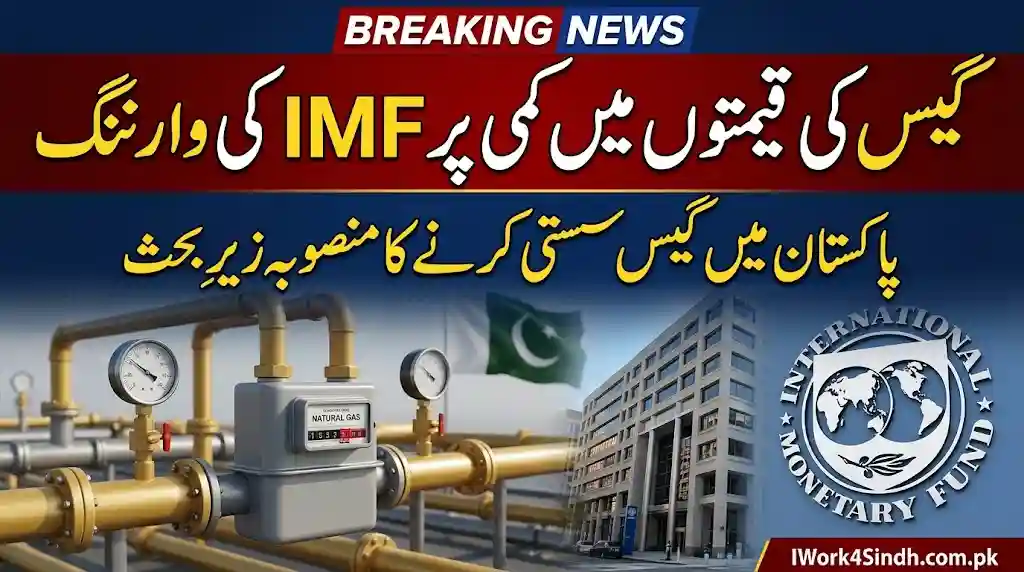
The core of the IMF warning on gas prices is fairly simple. The Fund is concerned that if the government pushes tariffs down without a matching plan to recover costs elsewhere, the difference between supply cost and consumer payment will grow larger. This gap, often called the tariff differential, is one of the main reasons gas sector debt keeps rising in Pakistan. According to recent reporting, the IMF has been seeking changes that would limit the government’s ability to unilaterally lower gas prices, since earlier reductions without proper cost recovery have already added to the financial strain on the sector. The Fund’s position fits into its wider goal under the IMF Pakistan programme, which emphasises keeping energy prices closely linked to actual costs rather than allowing prices to drift away from what it takes to produce and deliver the gas.
Why Pakistan Wants Lower Gas Prices
On the other side, there are real pressures pushing Islamabad toward some form of relief. Household budgets have been squeezed by years of high inflation, and gas bills form a significant part of monthly expenses for many families. Industries, too, have complained that high gas costs make their products less competitive, both locally and in export markets. It is understandable that policymakers would want to ease this burden where possible. However, it is important to be clear that no confirmed, nationwide gas price reduction in Pakistan has been officially announced. What exists so far are discussions, proposals, and concerns raised in policy meetings, not a finalised decision.
Current Gas Pricing System in Pakistan
To understand the debate, it helps to know how gas pricing actually works. Pakistan does not have a single flat rate for everyone. Instead, the Pakistan gas tariff is divided into slabs, with different rates for different consumption levels and different categories of consumers, such as domestic, commercial, industrial, and CNG users. This slab system also includes an element of cross-subsidy, where higher-consuming or wealthier categories effectively help cover costs for lower-income domestic users. There have also been discussions about moving toward a more uniform, average pricing model instead of the current multi-slab structure. If adopted, such a shift could change how much different consumer groups pay, though the exact details would depend on official notifications.
Role of OGRA in Gas Prices
The Oil and Gas Regulatory Authority, commonly known as OGRA, plays a central role in this entire process. On a regular basis, OGRA gas prices determinations set out the wellhead price of gas as well as the revenue requirements of gas distribution companies. Once OGRA completes its determination, it is referred to the federal government, which then has a set period to advise on the matter before a formal notification is issued. In simple terms, OGRA calculates what the gas system needs to remain financially stable, while the final political decision on consumer prices rests with the government. This is why any real change in gas prices only becomes official once both OGRA’s determination and a government notification are in place.
Gas Circular Debt Problem
Gas circular debt in Pakistan refers to the unpaid or delayed amounts that build up across the gas supply chain. It grows for several reasons. When consumer tariffs are set below the actual cost of supply, the resulting gap adds directly to the debt. Unaccounted-for gas, which includes theft, leakages, and billing losses, also drains revenue that companies would otherwise collect. Delayed payments between gas companies further slow down cash flow across the sector, affecting their ability to invest and operate smoothly. Recent estimates place the gas sector’s circular debt in the range of trillions of rupees, a figure that includes both principal amounts and accumulated interest. This is precisely why both the government and the IMF are focused on stronger financial discipline going forward.
IMF and Pakistan Gas Tariff Policy
Under its lending arrangements, the IMF has consistently pushed for regular and timely adjustments to gas tariffs so that prices better reflect real supply costs. At the same time, the Fund has acknowledged that some consumers need protection. This is why there is a clear difference between a broad gas subsidy in Pakistan, which lowers prices for everyone regardless of income, and targeted assistance, which is directed specifically toward low-income or vulnerable households. The IMF generally favours the targeted approach, arguing it protects those who need help most while limiting the overall financial burden on the gas sector.
Possible Impact on Domestic Consumers
For ordinary households, the outcome could go either way. If a genuine reduction is eventually approved with proper cost management, some consumers may see relief on their bills. On the other hand, if the system moves toward more cost-reflective or uniform pricing, certain consumer categories could see higher charges instead. The real effect will only be clear once the government issues an official notification following OGRA’s determination.
Impact on Industries and Businesses
Gas pricing changes also ripple through industry. Fertiliser plants, textile units, power producers, and other major consumers rely heavily on gas for production. Higher or lower tariffs directly affect their operating costs, which in turn influence electricity generation expenses, export pricing, and overall inflation in the economy.
Pakistan Gas Sector Reforms
Beyond the immediate pricing debate, broader Pakistan gas sector reforms are underway. These include efforts to reduce losses within Sui gas companies, curb gas theft, improve billing and collection systems, gradually reduce cross-subsidies, and encourage greater private-sector participation in the energy market. Pakistan has also been working alongside international development partners, including institutions that have assisted in defining and tracking circular debt, to build a more financially sustainable and better-governed gas sector over the long term.
What Consumers Should Expect
In the coming weeks, readers should watch for official government announcements, formal OGRA determinations, and any federal notifications regarding tariff slabs or subsidy policy. Claims circulating on social media should not be treated as confirmed until verified by the relevant authorities.
Gas Circular Debt in Pakistan Conclusion
The ongoing debate around a Pakistan gas price cut highlights a familiar challenge for policymakers: offering relief to consumers while avoiding further losses and circular debt in the gas sector. Moving forward, the government will need to carefully balance consumer relief, cost recovery, its commitments under the IMF programme, and the longer-term goal of a financially sustainable energy sector.