Pakistan Government Announces Currency Change: Which Note Is on the List?
Pakistan’s currency system may be heading for a small but noticeable shift, and the humble Rs. 10 currency note is at the center of it. In a recent briefing to the Senate Standing Committee on Finance and Revenue, officials revealed a proposal that could change how millions of people across the country use small cash every day. If you are wondering what this Pakistan currency change actually means, whether your existing notes are safe, and what could happen next, this article breaks it all down in simple terms. Understanding the real story behind this SBP currency update is important before jumping to conclusions.
What Is the Latest Currency Change in Pakistan?
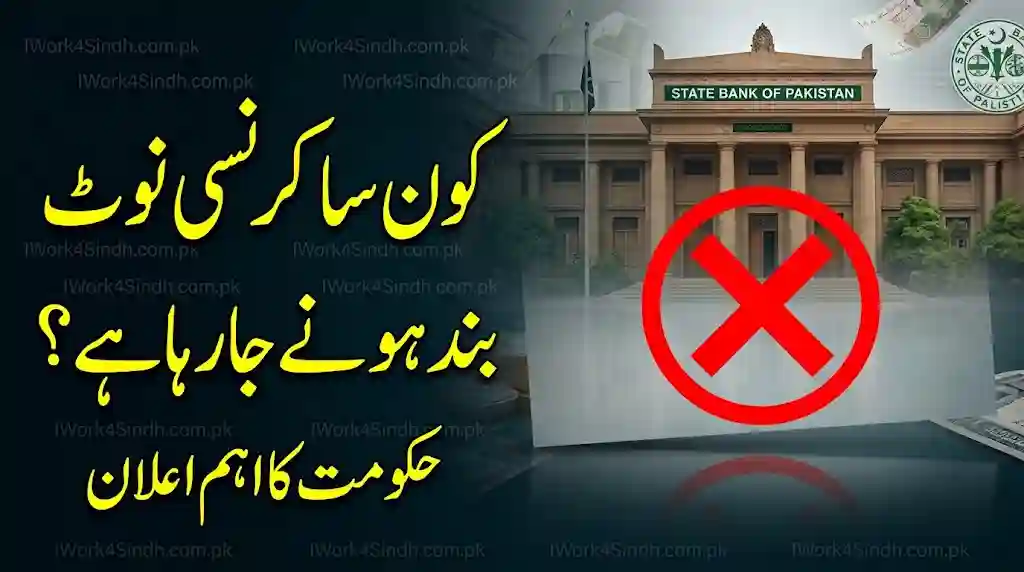
The latest development in Pakistan’s currency system centers on the Rs. 10 currency note. During a briefing to the Senate Standing Committee on Finance, a State Bank of Pakistan deputy governor informed lawmakers that the central bank has recommended discontinuing the Rs. 10 banknote from the next series of currency notes.
According to the briefing, the SBP has requested that the denomination not be included when Pakistan’s new, redesigned currency notes are eventually issued. Instead, a Rs. 10 coin would take its place. It is important to note that this is a recommendation that still requires final decisions from the federal cabinet, which will determine the exact denominations included in the new currency series.
This is not the first time such a proposal has come up. Officials told the Senate committee that the SBP had previously attempted to discontinue the Rs. 10 note on two earlier occasions, though those efforts did not move forward at the time.
Is the Rs. 10 Note Being Discontinued?
This is the question on most people’s minds, and the answer needs some nuance. The SBP has proposed that the Rs. 10 note discontinued status would apply only to future currency issues, not to notes already in circulation today.
In simple terms, the plan is to stop printing new Rs. 10 banknotes once Pakistan’s new currency series is rolled out. It does not mean that the Rs. 10 notes currently in your wallet are automatically withdrawn or invalid. There is a clear difference between:
- Stopping future printing of a denomination, and
- Immediately withdrawing that denomination from legal tender status.
Right now, the reported plan falls into the first category. The Rs. 10 note would gradually be phased out as new notes enter circulation, rather than being pulled from the market overnight. No official notification has been issued declaring the existing Rs. 10 note invalid.
Why Is Pakistan Considering a Rs. 10 Coin?
Officials cited the rising cost of producing the Rs. 10 banknote as a key factor behind the proposal. Since the note carries a low face value but still requires printing, security features, and regular replacement, its production cost is seen as disproportionately high compared to its worth.
Beyond the officially cited cost factor, there are other practical considerations often associated with replacing low-value notes with coins in general, including:
- Durability: Coins tend to last significantly longer than paper notes, which wear out quickly from frequent handling.
- Heavy circulation: Low-denomination notes like the Rs. 10 tend to change hands very often, in markets, public transport, and small daily purchases, leading to faster physical damage.
- Replacement costs: Notes that wear out quickly need to be reprinted more often, adding to the overall cost of currency management.
- Longer usable life: A coin can typically remain in circulation for years or even decades without needing replacement, unlike paper notes.
It should be noted that these are general reasons associated with note-to-coin transitions worldwide, and only the production cost factor has been specifically confirmed by SBP officials in the Senate briefing.
What Did the State Bank of Pakistan Say?
The State Bank of Pakistan is the country’s central bank and the sole authority responsible for issuing Pakistani currency, including both banknotes and coins, under the relevant legal framework governing the SBP’s operations.
During the Senate committee briefing, the SBP deputy governor confirmed that the central bank had formally requested discontinuation of the Rs. 10 note as part of the broader plan to introduce a new currency series. He also noted that the proposed redesign of the new banknotes had been reviewed by a separate committee, headed by the finance minister, and that revisions were being made based on feedback from that committee.
The deputy governor further indicated that even after cabinet approval, the rollout of new currency notes could take additional time, as the security features and final designs still need to be finalized. This means the entire process, including any Rs. 10 coin introduction, remains a work in progress rather than a finished decision.
Will Existing Rs. 10 Notes Become Worthless?
No, and this is an important point for the public to understand clearly. The proposal to discontinue the Rs. 10 note applies to future printing, not to the notes that are already in your pocket, cash register, or savings.
Legal-tender status and any formal withdrawal of a currency note from circulation depend entirely on an official notification from the State Bank of Pakistan. As of now, no such notification has been issued declaring the Rs. 10 note invalid or non-legal tender.
People should avoid assuming that a policy discussion or a recommendation automatically means their cash has lost value. Historically, when Pakistan has phased out currency notes, the process has involved a defined transition period during which old and new currency circulate together before older notes are formally withdrawn.
What Happens If the Rs. 10 Coin Is Introduced?
If the Rs. 10 coin proposal eventually receives full approval and is implemented, it could bring some noticeable changes to everyday cash transactions in Pakistan. Coins are generally easier to handle in bulk for shopkeepers dealing with frequent small transactions, and they do not tear or get damaged the way notes do.
Public transport fares, small retail purchases, and street vendors who rely heavily on Rs. 10 transactions could see a shift toward using coins instead of notes for this denomination. Vending machines and automated payment systems, where used, may also need to be adjusted to accept the new coin.
At the same time, some sections of the public have historically shown reluctance to fully adopt low-denomination coins in daily use, preferring notes for their familiarity and ease of counting. This has been a challenge with the existing Rs. 10 coin design that has been in circulation since 2016 alongside the Rs. 10 note.
Which Pakistani Currency Notes Are Currently in Circulation?
To understand this Pakistan currency update 2026 properly, it helps to know what denominations currently make up Pakistan’s official Pakistan banknotes. According to the State Bank of Pakistan, the following denominations are currently listed as legal tender:
- Rs. 10
- Rs. 20
- Rs. 50
- Rs. 100
- Rs. 500
- Rs. 1,000
- Rs. 5,000
In addition, SBP has also issued a commemorative Rs. 75 note in the past. It is important to be clear that this proposal concerns only the Rs. 10 denomination. There is no confirmed plan to discontinue or replace any of the other denominations listed above. Reports have indicated that Pakistan is working on redesigning its full currency series, including notes from Rs. 10 up to Rs. 5,000, mainly to improve security features and reduce counterfeiting, but this redesign does not mean all these notes are being scrapped.
Why Do Countries Replace Banknotes With Coins?
Replacing small-value banknotes with coins is a step that many countries around the world have taken over the years. Generally speaking, the reasoning is fairly straightforward: notes with a low face value tend to be used very frequently, which means they wear out much faster than higher-value notes that people are more likely to save or use less often.
A coin, being made of metal, can withstand years of handling without losing its shape or usability. This durability translates into cost savings over time, since a central bank does not need to repeatedly print and distribute replacement notes for a denomination that is used constantly in daily transactions.
Circulation costs, including printing, security features, storage, and distribution, also tend to be a consideration for central banks worldwide when reviewing their currency structure. This is one of the general global patterns behind such transitions, even though the exact reasoning and timeline for Pakistan’s specific case rests with the SBP and the federal cabinet.
What Should People Do With Their Rs. 10 Notes?
For ordinary citizens, the most important advice right now is simple: do not panic. There is no need to rush to exchange, discard, or refuse Rs. 10 notes based on this reported proposal alone.
Here are a few practical points to keep in mind regarding this Pakistan government currency decision:
- Continue using your Rs. 10 notes normally, as they remain valid legal tender.
- Do not accept rumors or unverified social media claims as confirmation that the note has been banned.
- Wait for an official notification from the State Bank of Pakistan before making any decisions about exchanging old notes.
- Keep an eye on official SBP announcements for updates on the new currency series and any confirmed rollout dates.
Since no date has been officially confirmed for either the Rs. 10 coin’s reintroduction under this new plan or the discontinuation of the note, it is best to treat this as an ongoing policy discussion rather than a finalized change.
Pakistan Currency Update 2026: What Readers Should Know
To summarize this Pakistan currency update 2026, the SBP has recommended discontinuing the Rs. 10 banknote from Pakistan’s upcoming currency series and replacing it with a Rs. 10 coin. This recommendation was shared with the Senate Standing Committee on Finance, but it still requires approval from the federal cabinet before it becomes an official policy.
The broader context involves a larger redesign of Pakistan’s entire currency series, covering multiple denominations, with the goal of improving security and reducing counterfeiting. However, this redesign should not be confused with the specific Rs. 10 discontinuation proposal, which remains a distinct and separate decision point.
Readers should rely on verified, official sources when following this story, rather than assuming the outcome before it has been finalized.
Frequently Asked Questions About Rs. 10 Note Discontinued
1. Is the Rs. 10 note being discontinued in Pakistan?
The State Bank of Pakistan has recommended discontinuing the Rs. 10 note from future currency issues and replacing it with a coin. This proposal still requires federal cabinet approval before it becomes official policy.
2. Will the existing Rs. 10 note remain usable?
Yes. As of now, existing Rs. 10 notes remain legal tender. No official notification has declared them invalid, and any change would likely involve a gradual transition period.
3. Is Pakistan introducing a Rs. 10 coin?
A 10 rupee coin has already existed in Pakistan since 2016. Under the current proposal, this coin would become the primary form of the Rs. 10 denomination once the new note series is introduced and printing of the Rs. 10 note stops.
4. Why is Pakistan replacing a low-value banknote with a coin?
SBP officials cited the rising production cost of the Rs. 10 note as a key reason. General factors linked to such transitions elsewhere include the longer lifespan and durability of coins compared to paper notes.
5. Where can people check the official currency update?
The most reliable source for confirmed information is the official State Bank of Pakistan website and its formal press releases and notifications, along with credible national news coverage of parliamentary proceedings.
Pakistan Currency Change Conclusion
The reported plan to discontinue Pakistan’s Rs. 10 currency note and introduce a Rs. 10 coin in its place marks a notable development in the country’s ongoing currency redesign efforts. For now, this remains a recommendation from the State Bank of Pakistan that awaits federal cabinet approval, not a finalized or implemented policy.
For ordinary citizens, the key takeaway from this currency change in Pakistan is straightforward: your existing Rs. 10 notes remain valid, there is no confirmed timeline for the coin’s rollout, and any real change will only take effect after an official notification is issued. Staying informed through verified sources, rather than speculation, remains the best way to navigate this evolving story around Pakistani currency.