Petrol Price Hits Rs. 500 Per Liter in Balochistan as Fuel Shortage Worsens
A severe fuel crisis has pushed petrol and diesel prices to unprecedented levels in several parts of Balochistan, creating major difficulties for residents and businesses.
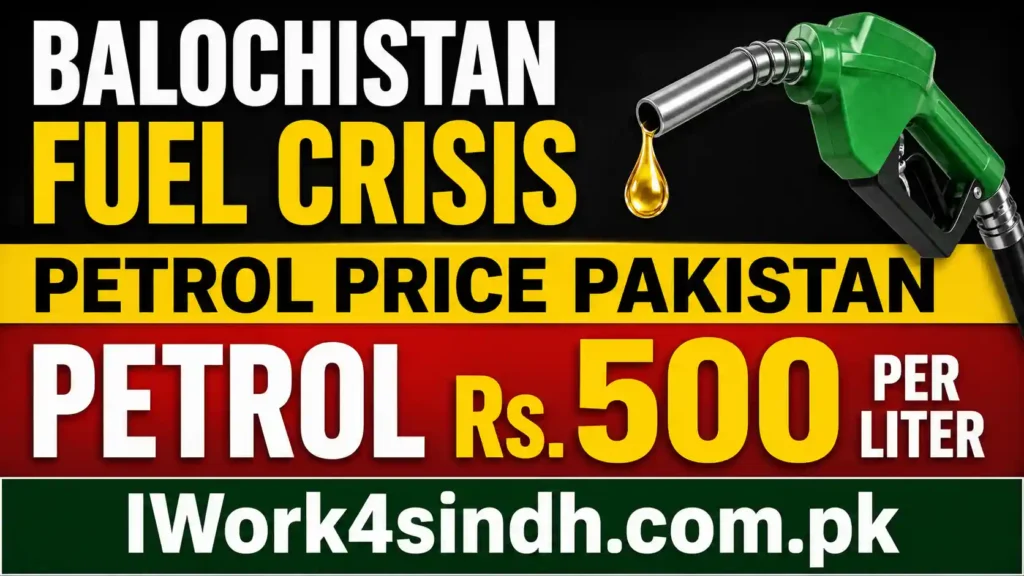
Reports indicate that petrol prices have climbed to nearly Rs. 500 per liter in districts including Nushki, Kharan, and Loralai as supply shortages continue to worsen.
The fuel shortage has triggered panic buying across the province. Motorists are struggling to secure fuel as demand rapidly exceeds available supplies.
In Quetta, long queues have formed outside petrol stations as residents rush to fill their vehicles. Many filling stations have temporarily suspended operations due to limited stock.
Those stations that remain open are witnessing unusually high customer traffic throughout the day. The situation has caused frustration among commuters and transport operators.
Officials say the crisis has been intensified by disruptions in fuel availability and logistical challenges affecting supply routes.
Remote districts have been particularly affected because transportation difficulties make fuel deliveries more complicated and time-consuming.
The shortage has raised concerns among local businesses that depend on regular fuel supplies for transportation and commercial activities.
Public transport operators have also been impacted by rising fuel costs. Many drivers fear additional fare increases if the situation continues.
According to the Petroleum Dealers Association, emergency efforts are underway to improve fuel availability in affected areas.
Association President Qayamuddin Agha stated that additional fuel supplies are being transported from Shikarpur to help stabilize the market.
Officials hope that increased deliveries will ease shortages and gradually restore normal fuel distribution across the province.
Authorities believe conditions could improve within the next few days if supply operations continue without further interruptions.
The Deputy Commissioner of Quetta linked the current crisis to the suspension of Iranian petrol supplies, which have historically contributed significantly to fuel availability in parts of Balochistan.
The disruption has exposed the province’s vulnerability to sudden supply shocks and fuel distribution challenges.
Government officials confirmed that approximately 600,000 liters of petrol were delivered to filling stations in Quetta to address immediate shortages.
Despite these efforts, demand remains exceptionally high as residents continue searching for reliable fuel supplies.
Economic analysts warn that prolonged fuel shortages could affect transportation costs, local trade, and overall economic activity in the region.
The rising petrol price has become a major concern for households already dealing with inflation and higher living expenses.
Businesses dependent on logistics and transportation may also face increased operating costs if fuel prices remain elevated.
The crisis has renewed discussions about improving fuel storage capacity and strengthening supply chains across remote areas of Balochistan.
Energy experts suggest that long-term solutions will require more reliable distribution networks and diversified supply sources.
Residents are urging authorities to take immediate action to restore normal fuel availability and prevent further price increases.
As emergency supplies continue to arrive, officials remain hopeful that petrol and diesel prices will gradually stabilize in the coming days, bringing relief to consumers across the province.